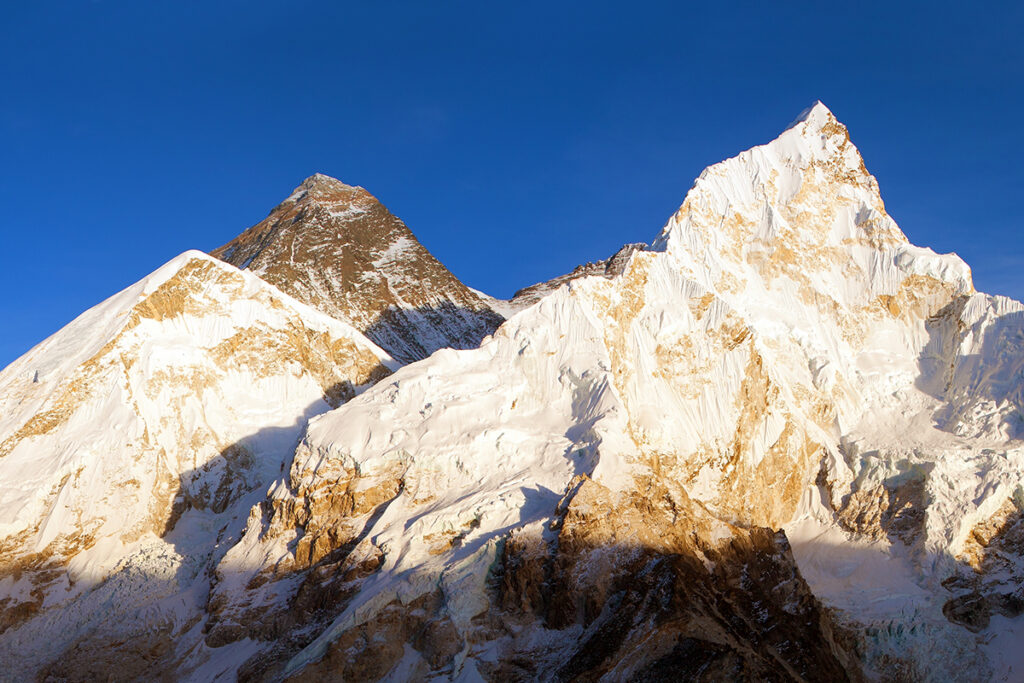
Instead of a “bucket list,” Dave McClung keeps a “Done That” list. He already has more than 1,100 experiences logged.
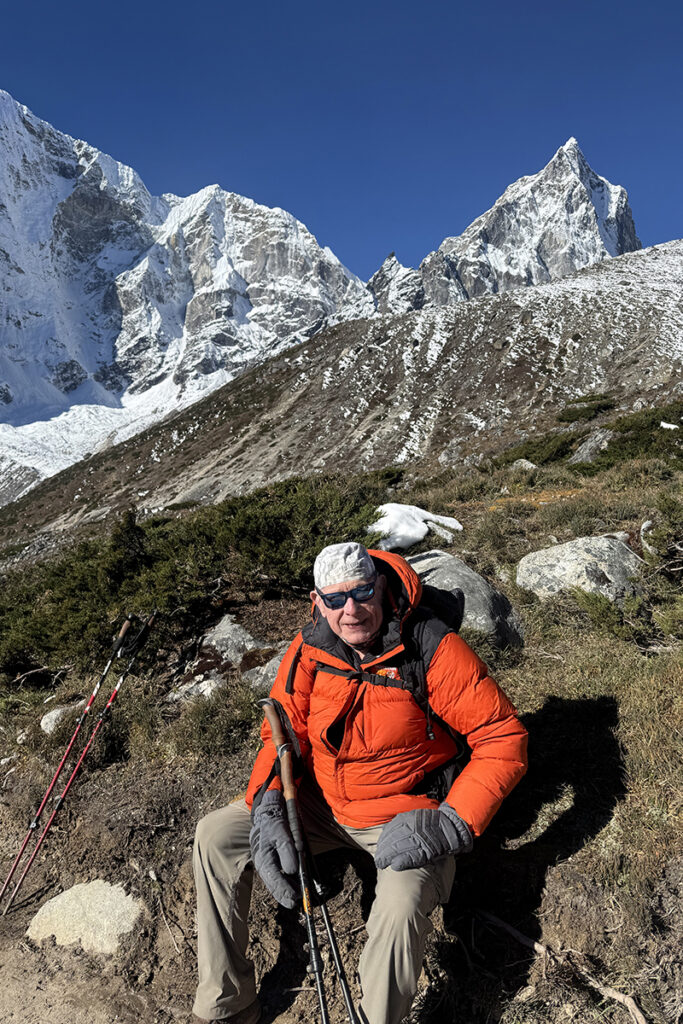
Last fall, the 82-year-old Olathe resident added one of his most remarkable accomplishments yet to the list when he became the oldest person to reach Mount Everest’s south base camp, 17,500 feet above sea level.
“Seventeen thousand five hundred feet is a long way up,” McClung says.
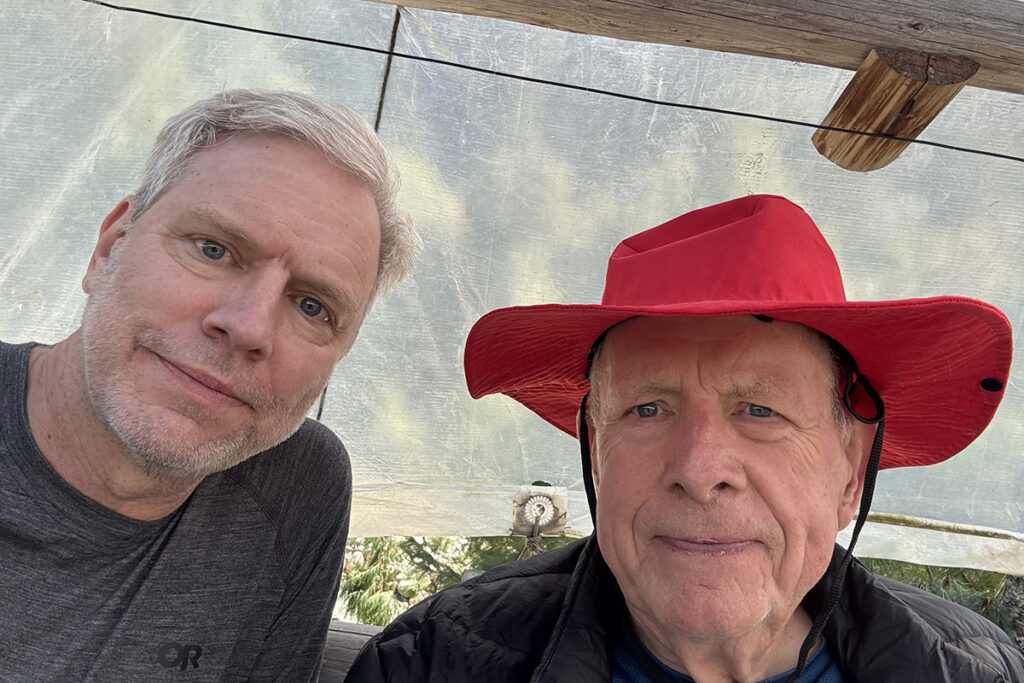
In October, Dave and his son, Dennis McClung, completed the 40-mile trek to Everest Base Camp in eight days. What began as a passing joke turned into the adventure of a lifetime.
Dennis, who frequently travels to Asia for work, had been looking to add a side trip to an upcoming visit. He came across an advertisement for a trekking service promoting Everest expeditions as “suitable for people ages 20 to 85—or something like that,” he says. Dennis forwarded it to his dad with a note: If you’re going to do this trip with me, we better make it quick because you’re almost 85.
Dave was in.
At first, work schedules didn’t align. Months passed. Then Dave told his son, “If we want to do it, let’s just do it.”
After further research, they realized they didn’t need to join a large tour group. They could make the journey with just the two of them, accompanied by local guides and porters.
The trip was set. Now they just had to prepare.
Preparing for 17,500 Feet
How does someone get ready for a trek to Everest Base Camp at age 82?
“I didn’t do anything different than what I normally do,” Dave says.

Dave and his wife, Linda McClung, have long been intentional about their health. They focus not just on extending their years together but preserving their quality of life. Nearly every morning, regardless of weather, they climb a hill off Black Bob Road in Olathe.
In many ways, Dave had been training for Everest without realizing it.
The couple eats healthy, monitors their bloodwork and stays active. Dave lifts weights. Linda practices yoga and Pilates. Years ago, while working through estate planning, they were encouraged to think not only about what they would leave their children, but also about the life they wanted to live now and into the future.
The Trek Begins
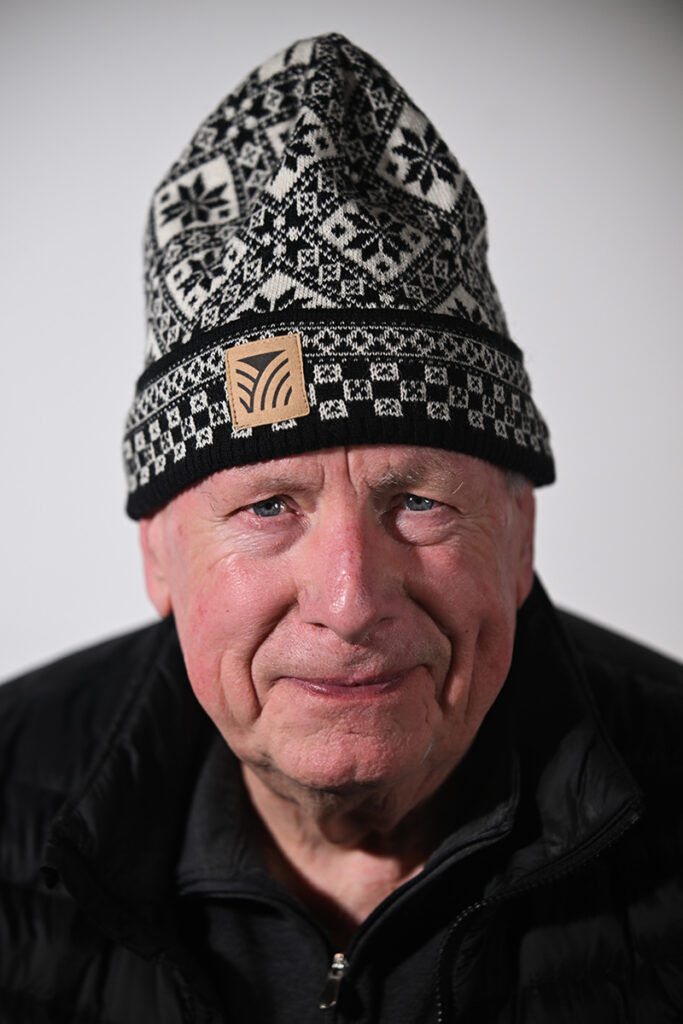
The journey to Everest Base Camp begins in Lukla, the last town outside Kathmandu accessible by air. Beyond Lukla, roads give way to narrow paths used by pack animals and hikers.
Starting in dense forests, the terrain is constantly shifting. One day they followed yak trails across tundra. Another took them through the basin of a dried glacial lake. They stayed overnight in tea houses, simple hostels along the route, and ate local fare.
“It’s like you walk up two flights of stairs, then down one, then up two and down one,” Dave says. “It’s constantly up and down. You don’t have long uphill stretches.”
The eight-day pace was intentional. Spreading the 40 miles over more than a week helps prevent altitude illnesses such as pulmonary or cerebral edema. At higher elevations, thinner air means less available oxygen, forcing the lungs to work harder.
“That gives you a good excuse to take it easy,” Dennis says. “And we did. We took it very slowly.”
Moving slowly also gave them time to absorb the sweeping Himalayan views.
“I really feel close to God when I’m out in nature,” Dave says. “There’s something spiritual about pressing yourself, finding what you can do and realizing you can do more than you thought.”
Five-Toed Shoes and Skeptical Hikers

Dave believes four factors make his story especially compelling: the remoteness of the region, the altitude, his age (of course) and his footwear. He wore black, five-toed minimalist shoes that resemble gloves for the feet.
Most hikers opt for sturdy boots with ankle support. Dave’s choice drew skepticism.
“They make a big deal [about shoes] because the trail is so rough and pretty treacherous,” he says. “They really pay attention to footwear.”
However, Dave’s footwear choice drew some smiles too. Dennis recalls a group of Japanese tourists who became “unglued” when they spotted Dave’s unusual footwear.
There was logic behind the choice, Dave says. The shoes improve balance—critical on uneven terrain and especially important as people age. Their only drawback: They weren’t waterproof, so puddles required careful navigation.
Dennis can attest to their effectiveness.
“I fell a couple times on the trek,” Dennis says. “He never did.”
In fact, when the shoes were discontinued, Dave bought what he calls a lifetime supply.
The Final Push
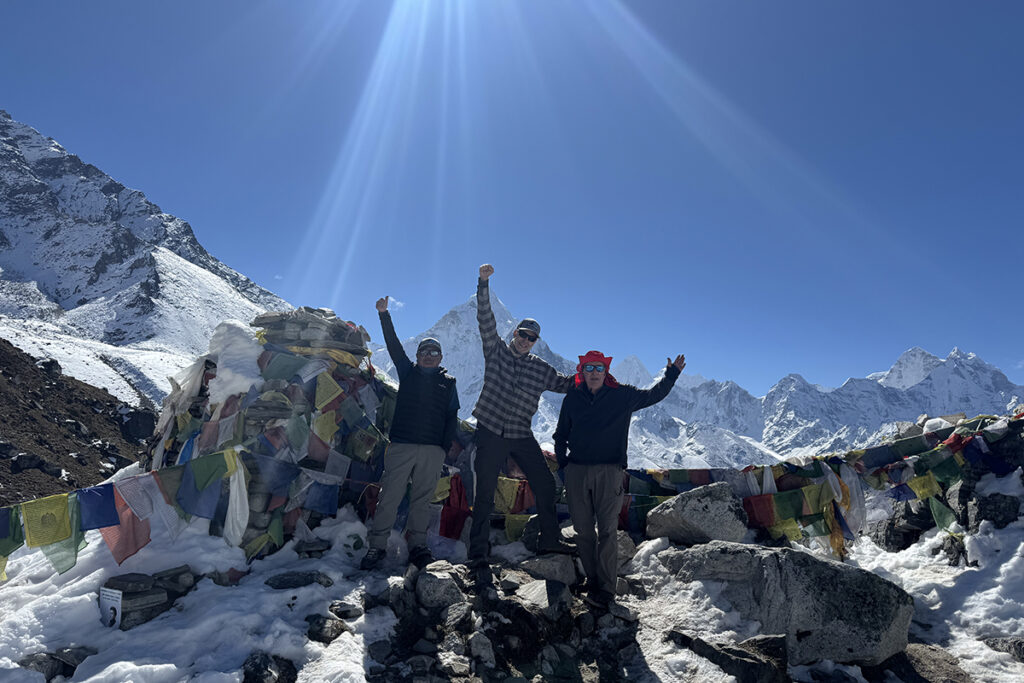
The last day was the most physically demanding. The altitude was unmistakable. Even putting on shoes (five-toed or otherwise) left them breathless, they say.
“It’s almost like drowning [when you’re] up there,” Dennis says.
However, reaching base camp made it all worthwhile. Seeing the colorful tents against the stark backdrop of the mountain was awe-inspiring.
Dave, a former Air Force pilot who flew more than 200 combat missions in Vietnam, had originally resisted the idea of leaving by helicopter, thinking it might not be safe, rather than returning by foot, but he changed his mind. “At that altitude, I didn’t want to take a helicopter,” Dave says. “But once I saw how modern [the helicopters] were and how well they handled it, the day before we reached base camp I told Dennis, ‘Why don’t we take a helicopter back?’”
They did.
Fair Weather and Gratitude
When planning their trip, they learned April and October offered the best conditions. They chose October and their timing proved nearly perfect.
“We had a week with no bad weather,” Dave says. “There was a blizzard the week before and a blizzard the week after.”
Earlier that month, about 900 people were stranded during a severe snowstorm. Dennis credits both careful research and good fortune.
“It’s just extraordinary,” Dennis said of the experience. “I don’t take for granted getting to share something like that with my dad.”
Keep Going
Dave’s advice for aging well is simple: Keep going.
He believes there’s a mental component to growing older. “If a person decides they’re old and going to sit in a rocking chair, sure enough, they’re going to be old and sit in a rocking chair.”
What’s next for his “Done That” list remains to be seen. For now, Dave continues climbing the hill off Black Bob Road each morning alongside Linda.
“There was never a doubt we were going to make it,” he says of his trek up Mount Everest.