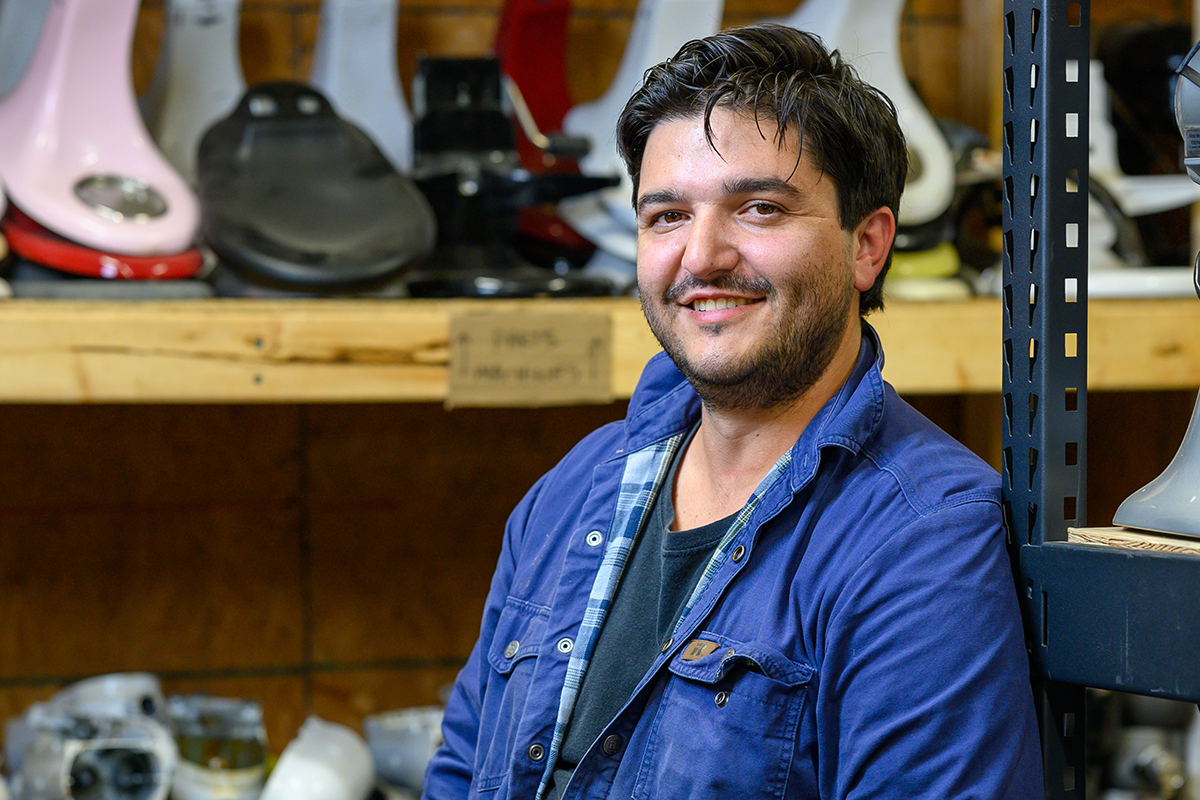
For Kimberly Hinman, a local clinical psychologist with a Ph.D. from Columbia University, stress is more than a feeling. It can be a window into how the brain struggles and adapts—especially for many of her adolescent patients. Hinman specializes in evaluating and advocating for young people navigating ADHD, autism, anxiety, OCD, depression and more.
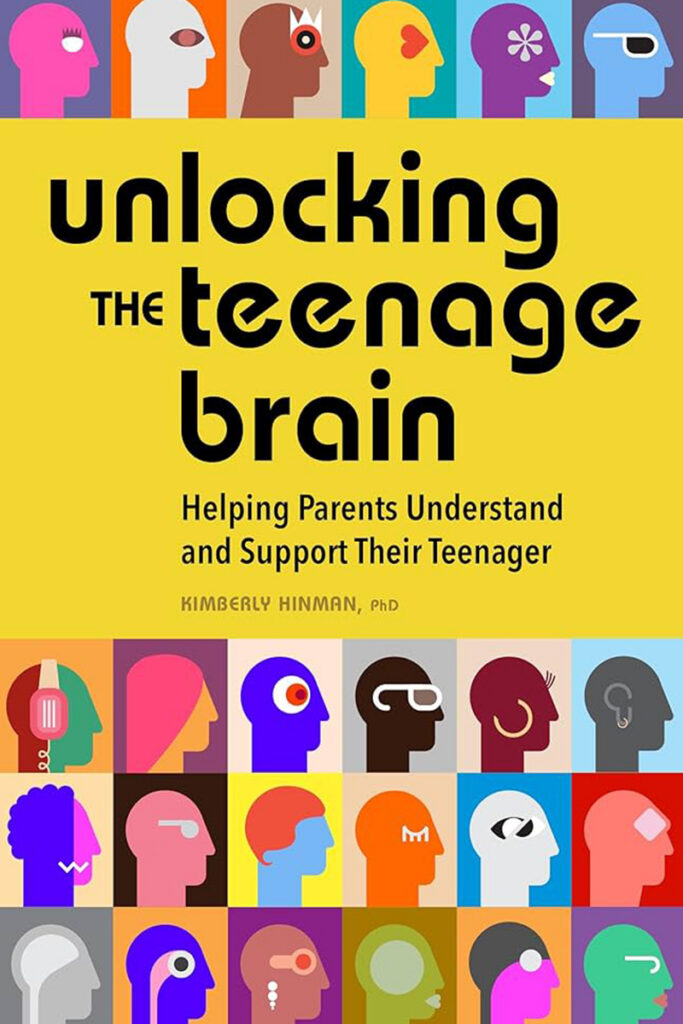
Hinman is the author of Unlocking the Teenage Brain: Helping Parents Understand and Support Their Teenager, a holistic study of the adolescent brain that includes parenting strategies. She also runs Bloom Testing, a practice in Brookside that focuses on individualized psychological evaluations.
In honor of National Stress Awareness Month, we sat down with Hinman to chat about self-care, parenthood, navigating busy schedules and more.
April is National Stress Awareness Month. What do you think people misunderstand about the word “stress”? When it comes to parents, they may not fully understand what it looks like in kids or how their best intentions can inadvertently contribute to some stressors. Parents often expect stress to look like worry or sadness, but in children it more often shows up as behavior change like avoidance, irritability or shifts in mood, motivation, or independence or physical complaints like headaches, stomachaches or sleep disruption.
What inspired you to not only go into psychology but also to specialize in helping young people? I decided to get my Ph.D. because I love helping people and I really love to write. I come from a family of mental health specialists, so it was something I grew up with. I’ve found that the age of adolescence is one of my favorites to work with because the brain is going through a crazy makeover. But with that comes a lot of unpredictable behaviors, so I found it personally fascinating.
I used to do therapy more so, but now, doing evaluations is a new way to help advocate for kids. Sometimes they aren’t able to articulate what’s going on with them exactly. It helps connect the dots for some families when it can already be a confusing time.
As an expert on the developing brain, what’s something you wish every parent understood about the teenage brain? That it’s doing exactly what it’s supposed to be doing, even if they’re driving you nuts.
The adolescent brain is supposed to be pushing boundaries and trying new things. They’re trying to figure out their place in the world. That’s incredibly important and we want to encourage that and also help strengthen that frontal lobe. New research is now saying it’s not fully developed until the early 30s—we used to think mid-20s. That means parents need to outsource and be the frontal lobe for their kids, helping with planning, self-reflection, monitoring behaviors and risk assessment. All of those things come from the frontal lobe development, whereas the emotion system—which is driving all of the risk-taking behaviors and finding novelty—is fully developed in adolescence.
Self-care has become quite the buzz word and marketing tactic. For you, what does genuine self-care look like? I feel like self-care is geared towards consumerism sometimes—like “buy this thing to take care of yourself.” Yes, that can be helpful, but I think self-care is really about self-reflection, self-understanding and self-discovery. It’s really taking time to understand yourself a bit more and not just going through the motions. Maybe it is going and getting a manicure or buying yourself a special treat. That’s okay sometimes. But don’t look for that quick fix necessarily.
For those juggling busy lives, do you have any exercises you recommend to help get centered? A distraction list. Let’s say that you really need to get this work project done, but there are a million things coming up in your mind that keep pulling your attention away. Then you’re just overwhelmed because nothing’s getting done. Instead of attending to those distractions, have a paper next to you and label it a distraction list. It seems very simple, but write everything down. That frees up that part of your brain that’s multitasking so you can focus on what’s front of you.
Then you give yourself 15 or 20 minutes at some point during the day to go through that list. That helps you compartmentalize, be a bit more present in the moment and not feel like you’re pinging from task to task.
What’s your go-to reset on a tough day? I have a toddler at home, so I’m not doing the best at self-care at the moment—shoutout to all the parents. But exercise is a big one for my husband and I. It’s often walking the dog, getting outside and moving my body. It doesn’t have to be anything strenuous.